
Here's something most nutritionists won't bring up during your appointment. Not because it's controversial — but because they don't want to overwhelm you. After 60, your body handles food differently than it did at 40. Certain "healthy" staples in your kitchen may actually be working against you now. Here's what the professionals quietly avoid themselves.
Your Pantry Hasn't Aged With You
You're probably eating the same foods you ate twenty years ago. Most people over 60 are. The recipes haven't changed, the grocery list looks familiar, and the pantry is stocked with old favorites. But here's what shifted without anyone telling you: your metabolism slowed, your gut bacteria changed, your bones lost density, and if you're on medications, those pills interact with food in ways nobody mentioned.
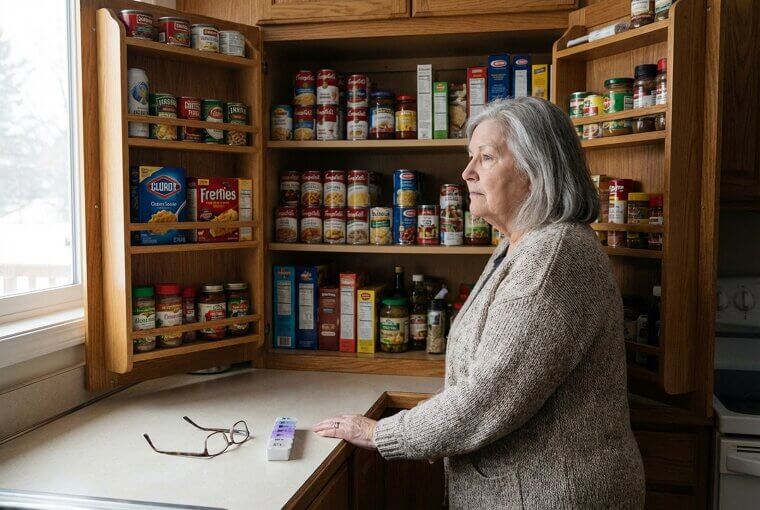
Something about your diet feels off — maybe your energy dips, your digestion's unpredictable, or your doctor keeps adjusting prescriptions. What follows are the specific foods nutritionists quietly avoid themselves but rarely tell their patients to cut.
Why "Healthy" Labels Fool Seniors Most
You've been trying to eat well — and the food industry knows it. Labels like "heart-healthy," "low-fat," and "calcium-enriched" are designed to catch your eye specifically. But flip that package over and you'll often find a different story: added sugars disguised under unfamiliar names, synthetic additives your body struggles to process, and sodium levels that quietly work against you.
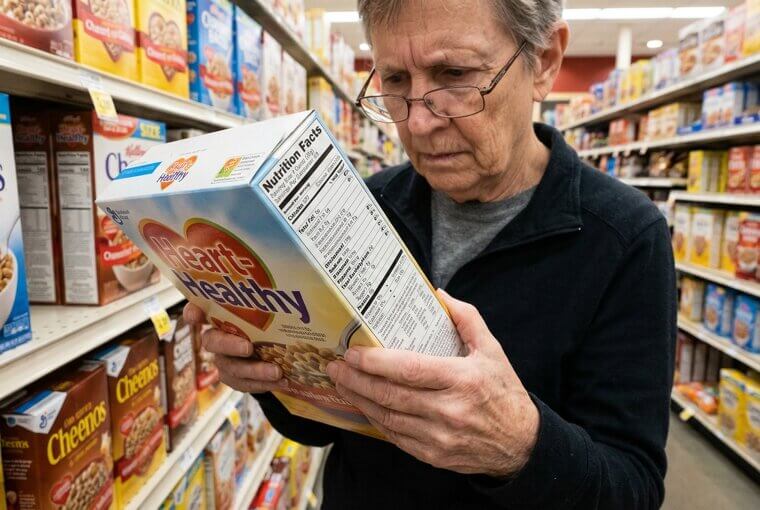
Sodium is the hidden villain here — it shows up in places you'd never suspect, and after 60, your kidneys and heart handle it far less efficiently. That word is going to keep coming back throughout this article, with consequences that escalate. But first, let's talk about a drink swap millions of seniors made thinking it was the smart move.
Diet Soda Isn't the Safe Swap
Here's the twist nobody expected: diet soda might be worse than the regular version for adults over 60. Quietly, many nutritionists stopped recommending it after research revealed artificial sweeteners can disrupt your gut microbiome — the very ecosystem your digestion and immunity depend on. Even more troubling, those zero-calorie sweeteners appear to increase sugar cravings, not reduce them. Then there's the phosphoric acid, which may accelerate bone density loss in a body already fighting to keep bones strong.

You made the responsible switch years ago. Most people did. But the science moved on while the marketing didn't. And if diet soda surprised you, wait until you see what's hiding in your breakfast yogurt.
Flavored Yogurt's Sugar Secret Revealed
That cup of strawberry yogurt in your fridge right now? It likely contains 25 to 30 grams of sugar — more than a Snickers bar. Go ahead, check the label. Most people are stunned. After 60, your insulin response is slower and less efficient, meaning that sugar hits your bloodstream and lingers there longer, quietly damaging blood vessels and fueling inflammation.

Nutritionists eat yogurt every day — but plain. They add their own berries, controlling exactly what goes in. That one small distinction dramatically changes what the food does inside your body. And the fix is easier than you'd think.
The Simple Yogurt Fix That Works
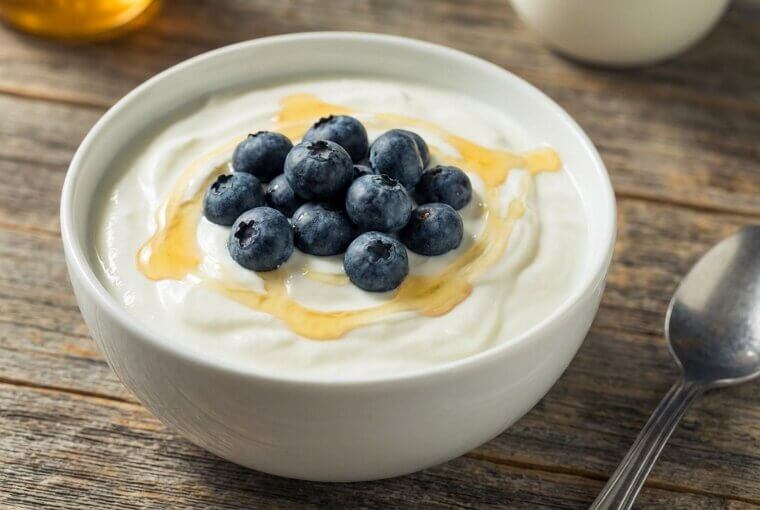
Here's your swap: grab plain Greek yogurt next time you're at the store. Add a handful of blueberries and a small drizzle of raw honey. That's it. You just cut sugar by up to 60% compared to the flavored version — while actually boosting what your body needs most right now. Greek yogurt packs roughly double the protein of regular yogurt, which matters because after 60, your muscles are quietly losing mass every year. The blueberries deliver antioxidants that fight cellular aging.
This takes thirty seconds, costs less than the fancy branded cups, and tastes better once you get used to it. Try it tomorrow morning — you'll feel the difference by lunch. Now, about that deli meat in your fridge drawer — nutritionists have some uncomfortable numbers to share.
Deli Meat Is Worse Than You Think
That turkey sandwich you grab for lunch two or three times a week? It's delivering over 750 mg of sodium in a single sitting — more than half the daily limit for anyone over 60. Remember how sodium keeps showing up as a hidden villain? Deli meat is one of its favorite hiding places. But sodium isn't even the worst part. Processed deli meats contain nitrates and preservatives directly linked to increased colorectal cancer risk. Your aging kidneys, already working harder to filter waste, take the hit every single time.
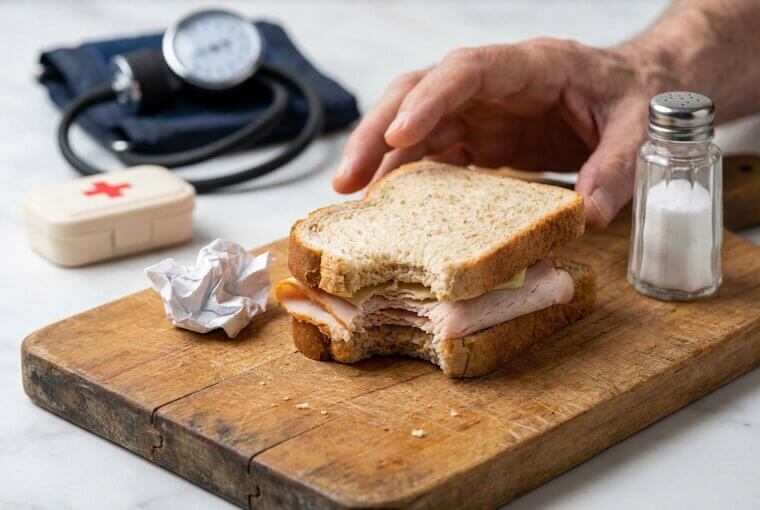
Nutritionists almost universally avoid processed deli meats themselves. Most won't say it that bluntly to patients — they worry about sounding extreme. But behind closed doors, this is one food they genuinely won't touch. And speaking of foods hiding behind a healthy reputation, that granola bar in your bag deserves a closer look.
Granola Bars Are Candy in Disguise
Flip over that Nature Valley, KIND, or Quaker granola bar and actually read the ingredients. You'll find sugar listed multiple times under different names, inflammatory seed oils like soybean or canola, and more processed ingredients than a chocolate chip cookie. That's not an exaggeration — many granola bars contain more sugar and less fiber than a homemade cookie would. After 60, your body processes this combination of refined carbs, sugar, and inflammatory oils more slowly. The damage lingers longer, fueling joint pain, blood sugar spikes, and energy crashes.
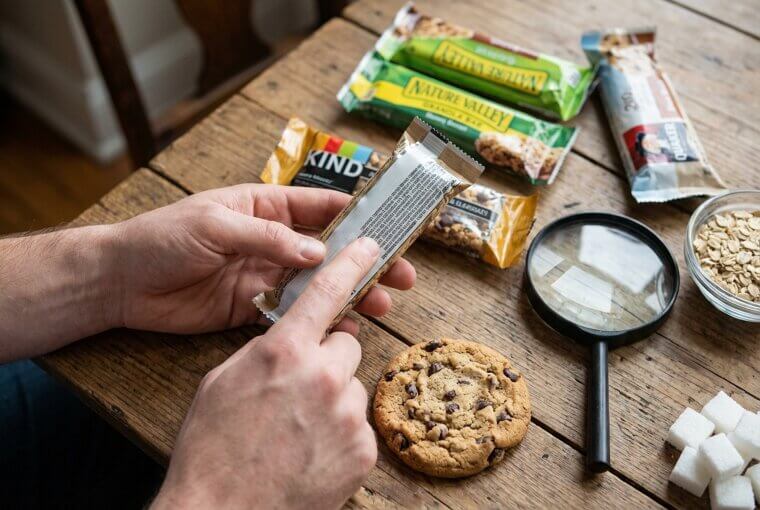
Nutritionists rarely single out granola bars because patients push back hard — it's their "healthy" snack, and nobody wants to hear otherwise. But behind closed doors, these bars are considered glorified candy. So what do nutritionists actually reach for when they need something quick?
What Nutritionists Snack On Instead
Here are three snacks nutritionists actually eat — no cooking required. First: a small handful of walnuts with a few dark chocolate chips. The omega-3s in walnuts directly support brain health, and dark chocolate adds just enough indulgence to feel like a treat. Second: apple slices with almond butter. You get fiber for digestion plus healthy fats that keep you full for hours. Third: a hard-boiled egg sprinkled with everything seasoning. Pure protein that helps preserve the muscle mass your body is quietly losing every year.
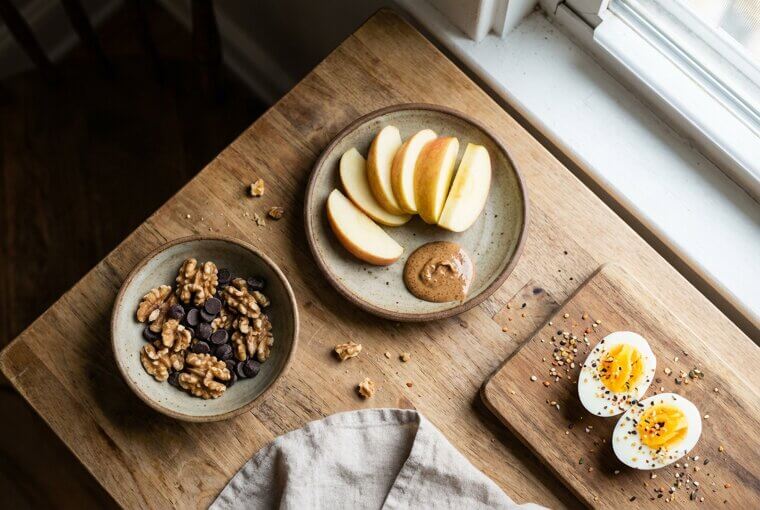
Notice the pattern? Every snack combines protein or healthy fats with something that actually tastes satisfying. You won't miss those granola bars. Now, there's another breakfast staple millions of people over 60 consume daily, believing it's practically medicine — and it might be doing more harm than good.
Fruit Juice Is Not Fruit
A glass of orange juice contains roughly the same sugar as a glass of Coca-Cola. Let that sink in. When you eat an actual orange, its fiber slows sugar absorption, giving your pancreas time to respond. Juice strips that fiber away entirely, delivering a concentrated sugar blast straight into your bloodstream. After 60, your insulin response is already sluggish. That morning juice habit — repeated 365 days a year — quietly fuels insulin resistance, inflammation, and energy crashes you've probably blamed on aging.
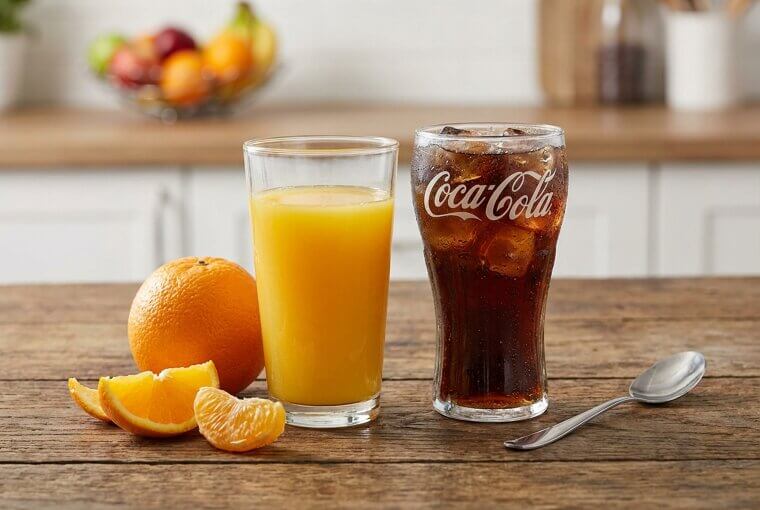
Here's what's telling: nutritionists almost never drink fruit juice themselves. They eat the whole fruit instead. Juice isn't a health drink — it's closer to soda wearing a better outfit. And speaking of morning staples with a misleading reputation, that tub of margarine in your fridge has a story you haven't heard.
Margarine's Comeback Is a Myth
Here's what nutritionists actually spread on their own toast: butter or olive oil. Almost never margarine. Despite being reformulated and rebranded with words like "plant-based" and "heart-smart," most margarines are still built on highly processed seed oils packed with omega-6 fatty acids. After 60, those omega-6s feed chronic low-grade inflammation — the kind that quietly drives joint stiffness, foggy thinking, and arterial damage.
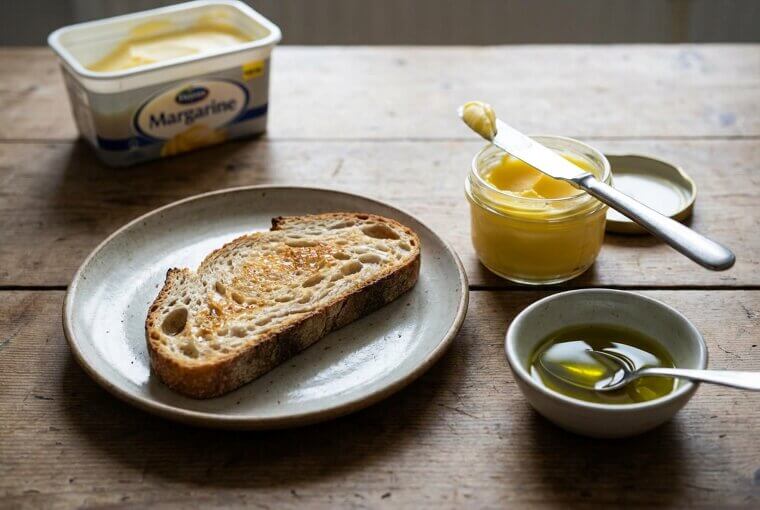
A thin scrape of real butter gives you fewer inflammatory compounds than a thick layer of margarine ever could. Olive oil is even better. The "margarine is healthier" message was never updated for what we now know about inflammation. But margarine isn't the only grocery aisle myth still fooling people — your bread might be lying to you too.
The Bread Aisle's Biggest Lie
That brown "wheat bread" in your cart? There's a good chance it's white bread wearing a disguise. Manufacturers add caramel coloring to make enriched wheat flour look wholesome, then slap "multigrain" or "wheat" on the label. Enriched wheat flour means the grain was stripped of its fiber and nutrients, then synthetically patched back together. You've been paying premium prices for a costume. After 60, that missing fiber matters enormously — it regulates your blood sugar, feeds your gut bacteria, and protects your heart.
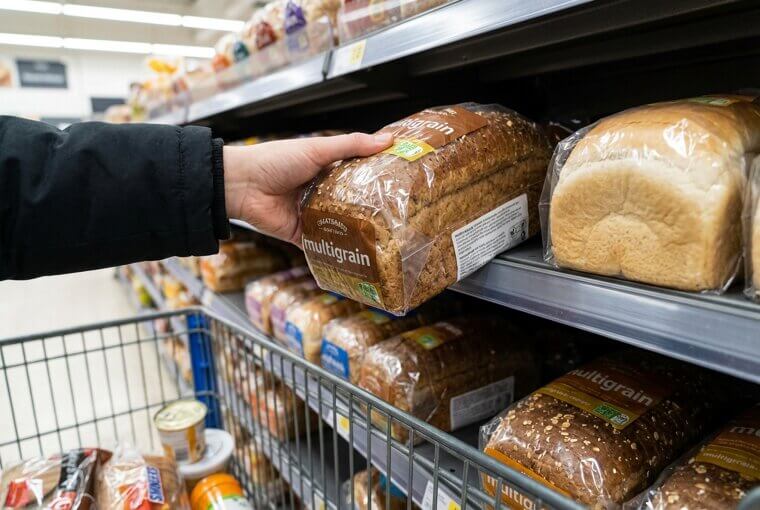
Here's the label trick nutritionists use: flip the bag over and check the first ingredient. It must say "100% whole grain" or "100% whole wheat." Then confirm at least 3 grams of fiber per slice. Anything less, and you're buying decorated white bread. Knowing how to read one label is good — but what if you had a system for reading all of them?
Read Labels Like a Nutritionist Does
Here's the 10-second rule nutritionists use on every single product. First, ignore the front of the package completely — it's advertising, not information. Flip it over. Second, read only the first three ingredients. If you see sugar, enriched flour, or a chemical name you couldn't say out loud, put it back on the shelf. Those first three ingredients make up the bulk of what's inside. Third, find sodium per serving — then multiply. If you'd eat two servings of that soup or those crackers, double that number.
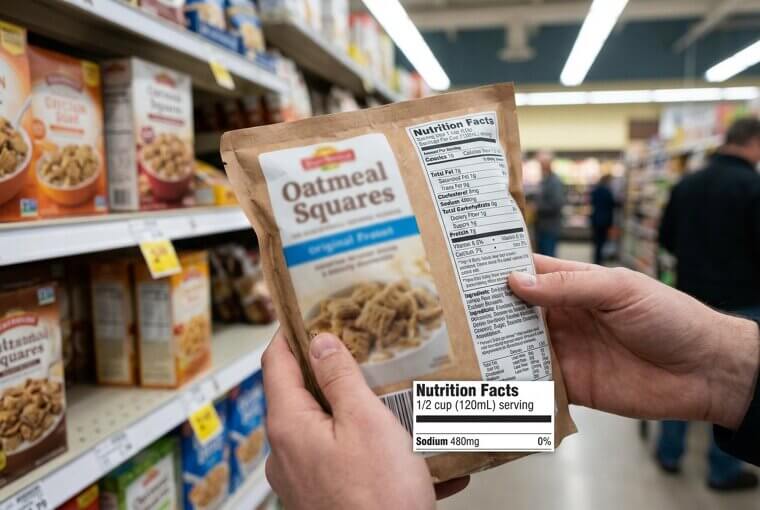
That's it. Three steps, ten seconds, and you'll eliminate most of the worst offenders before they reach your cart. Try it on your very next grocery trip — you'll be stunned how many "healthy" foods fail this simple test. And speaking of stunning sodium numbers, wait until you see what's hiding in your favorite canned soup.
Canned Soup's Sodium Is Staggering
Remember that sodium thread we've been pulling? Here's where it unravels. A single can of a popular soup brand can contain over 1,400 milligrams of sodium — nearly the entire daily limit recommended for adults over 60. Not per meal. Per day. Your aging kidneys struggle to flush that excess. Your heart works harder to pump against the pressure it creates. And because canned soup feels like a light, sensible meal, many people eat it several times a week without a second thought.
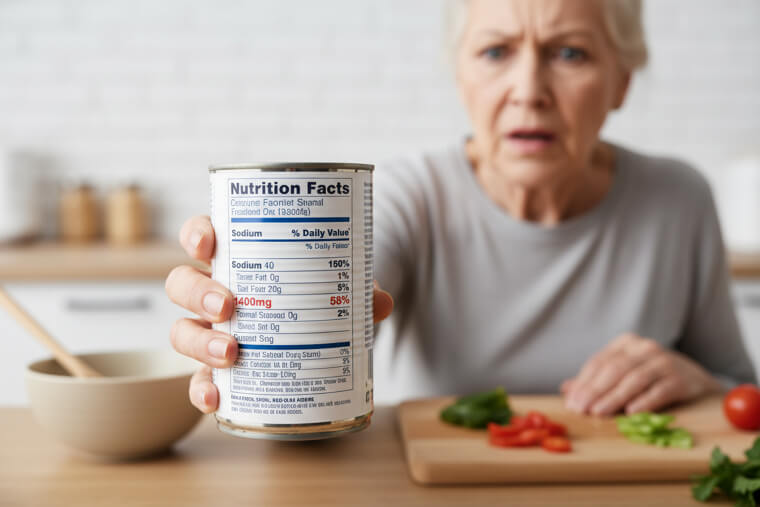
Nutritionists privately rank canned soup among the worst regular choices for older adults, but they hesitate to say it plainly because it's comfort food — warm, easy, familiar. That silence has a cost your blood pressure is paying. But here's the thing: not all instant comfort foods are created equal, and instant oatmeal has its own secret worth exposing.
Instant Oatmeal Isn't Real Oatmeal
Here's one that genuinely hurts: that instant oatmeal you've been eating every morning, feeling virtuous about? The flavored packets are a completely different food from what nutritionists recommend. Tear open a maple brown sugar packet and you're pouring in 12 or more grams of added sugar, artificial flavors, and a surprising hit of sodium. Real oatmeal — steel-cut or plain rolled oats — is one of the healthiest foods on earth. But those convenient little packets transform it into a blood-sugar bomb.
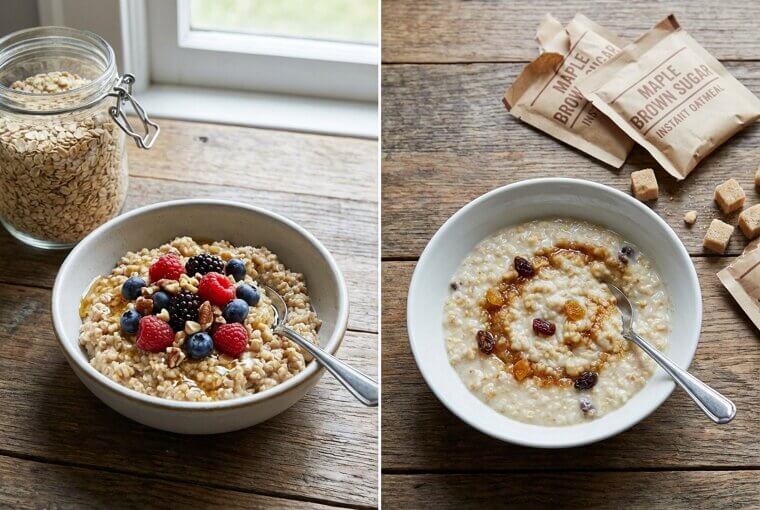
After 60, that sugar spike directly affects your energy, your mental clarity, and your diabetes risk. You thought you were making a perfect choice. The good news? There's a two-minute fix that's just as easy — and it's next.
The Two-Minute Oatmeal Upgrade
Here's your new morning routine — and it's genuinely this easy. Buy a canister of plain rolled oats. Scoop half a cup into a bowl, add water, and microwave for two minutes. Now the magic: sprinkle cinnamon, which fights inflammation. Drop in a few walnut pieces for omega-3s that protect your brain. Slice half a banana on top for potassium that supports healthy blood pressure.
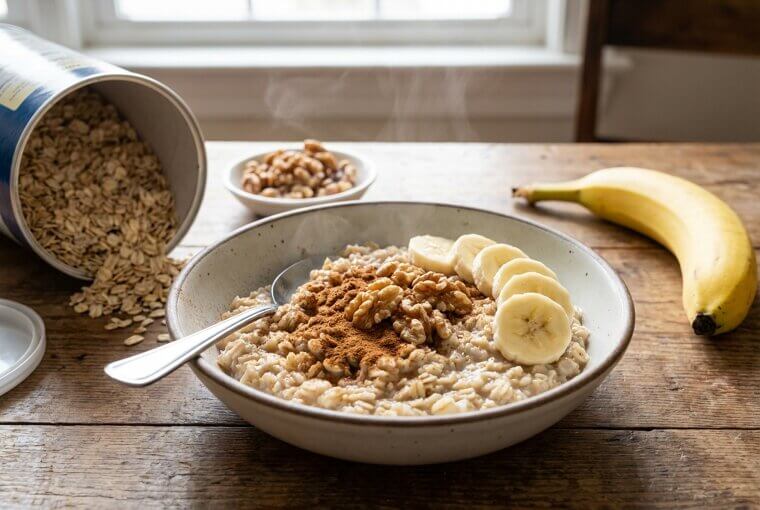
That's it. Same two minutes as tearing open a packet, roughly half the cost, and zero hidden sugar. After 60, small swaps like this don't just add up — they compound. Now, about those rice cakes you've been snacking on guilt-free…
Rice Cakes Are Basically Empty Calories
Rice cakes have a glycemic index of 82 — nearly identical to pure glucose at 100. Let that sink in. That crispy, air-light snack you've been choosing over "real" food since the '90s spikes your blood sugar almost as aggressively as eating sugar straight from the bag. And after 60, those spikes are genuinely dangerous. Each one pushes your body closer to insulin resistance, triggers energy crashes, and ironically leaves you hungrier than before you ate. Meanwhile, rice cakes deliver virtually zero protein, zero meaningful fiber, and zero nutrients worth mentioning.

Nutritionists consider them one of the most overhyped health foods still sitting in pantries across America. If you've been reaching for them thinking you were being disciplined, you were rewarding yourself with air and a blood sugar rollercoaster. Speaking of foods that seem responsible but quietly backfire — what's really lurking in those "healthy" frozen meals?
Why Frozen Meals Deserve Suspicion
That frozen meal in your freezer right now — the one with "lean" or "healthy" on the box? Flip it over. You'll likely find 700 to 1,200 milligrams of sodium in a single tray. For someone over 60, that's potentially half a day's limit in one sitting. And remember, this is stacking on top of sodium from everything else you ate today. But here's what nutritionists find equally alarming: most frozen meals contain just 10 to 15 grams of protein. After 60, your muscles are actively declining, and you need significantly more protein per meal to slow that loss.
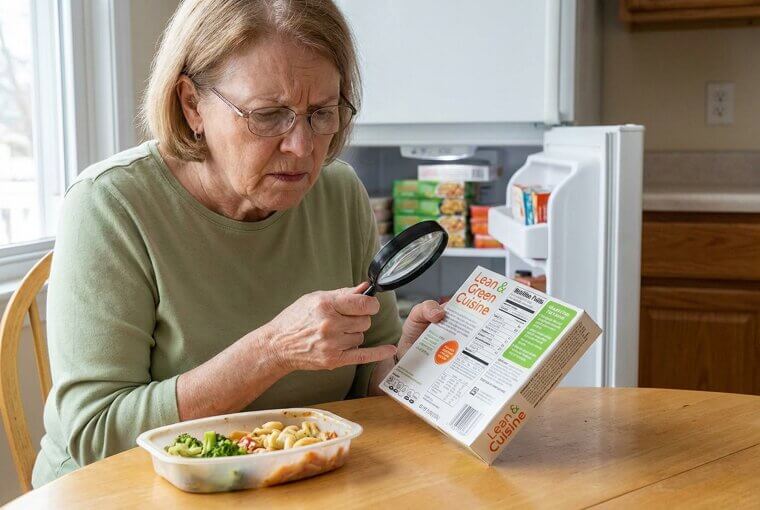
So you're getting a sodium bomb with barely enough protein to matter — in a portion that leaves you hungry anyway. Nutritionists routinely see patients eating these nightly, baffled why their blood pressure medication isn't working. The answer is on the back of the box. But what do nutritionists actually keep in their own freezers?
The Freezer Strategy Nutritionists Actually Use
Here's what's actually in a nutritionist's freezer — and it looks nothing like those boxed meals. You'll find pre-portioned homemade soups in labeled containers, wild salmon fillets ready for a quick bake, bags of frozen vegetables, and frozen berries. Here's the insider detail most people don't realize: frozen vegetables are flash-frozen at peak harvest, often locking in more nutrients than the "fresh" produce that spent ten days in trucks and warehouses before reaching your store.
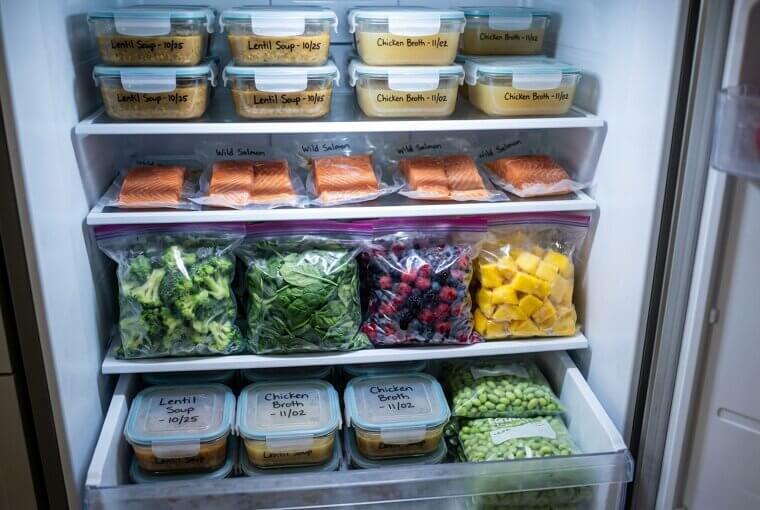
The real strategy? Batch-cook on a Sunday. Make a big pot of soup, portion it into freezer bags, and you've got weeks of meals that are just as convenient as anything from the frozen aisle — minus the sodium avalanche. You're completely capable of this. Now, about that coffee creamer you pour every morning without thinking…
Coffee Creamer's Ingredient List Is Alarming
Go grab your flavored coffee creamer and read the ingredients. You'll find hydrogenated oils — that's trans fats hiding behind a friendlier name. You'll see corn syrup solids, which is sugar pretending not to be sugar. And artificial flavors rounding out the trifecta. Now here's the part that really matters: the serving size listed is one tablespoon. Pour your normal amount into a measuring spoon tomorrow morning. Most people use three to five times that without realizing it.
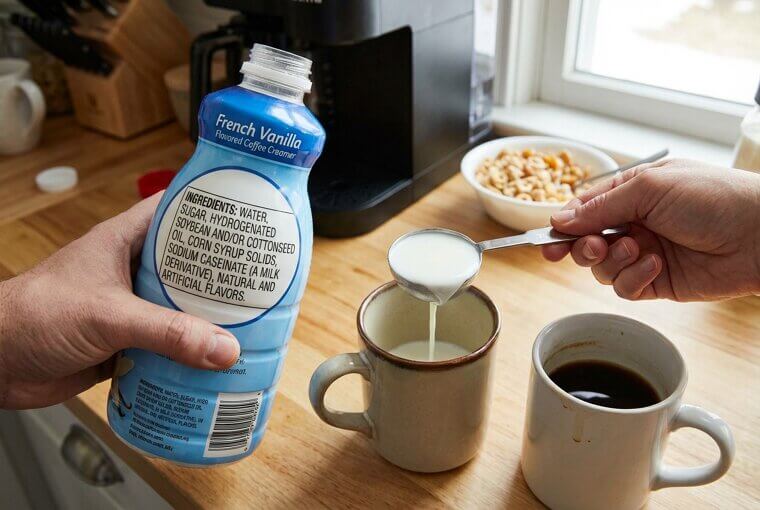
Multiply that by 365 mornings a year, and you've got a daily ritual quietly delivering trans fats and added sugars straight to your cardiovascular system — every single day, compounding inflammation year after year. Nutritionists call this one of the easiest high-impact swaps you can make. So what do they actually put in their coffee?
How to Love Your Coffee and Protect Your Heart
Here's your new coffee ritual — it takes thirty seconds. Replace that flavored creamer with a splash of real half-and-half or whole milk, then add a dash of cinnamon or a drop of vanilla extract. That's it. Real dairy in small amounts gives you actual calcium and protein instead of synthetic chemicals. The trans fats? Gone entirely. If you need sweetness, stir in half a teaspoon of real maple syrup. That's roughly two grams of sugar — most flavored creamers sneak in five to ten grams per generous pour.

This isn't about giving up your coffee. It's about keeping the ritual you love while removing ingredients your heart doesn't need. Think of it as an upgrade, not a sacrifice. Speaking of hidden sodium sources, there's one condiment sitting in almost every refrigerator that deserves a closer look.
Soy Sauce Uses More Sodium Than Salt
One tablespoon of regular soy sauce contains nearly 900 milligrams of sodium. That's almost 40% of the entire daily limit recommended for adults over 60 — in a single tablespoon. If you're cooking a stir-fry and adding a few generous splashes, you could hit your full day's sodium before you even sit down to eat. Now think about everything else you've consumed that day — the bread, the soup, the condiments. It all stacks.
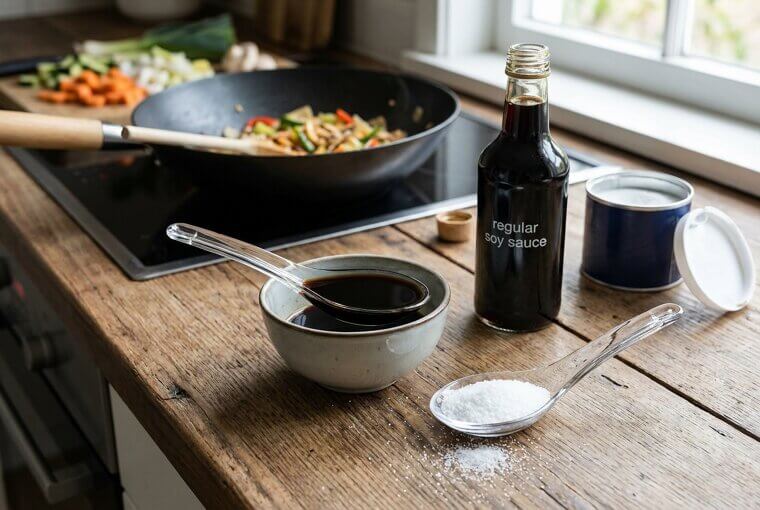
This is the pattern that's been building throughout this article. Sodium isn't one villain hiding in one food. It's everywhere, compounding silently across every meal, quietly working against your heart and kidneys. Once you see it, you can't unsee it. And that's actually the good news — because there's a surprisingly simple trick that makes salt almost unnecessary.
The Spice Trick That Replaces Salt Entirely
Here's the blend nutritionists actually mix for themselves: equal parts garlic powder, onion powder, smoked paprika, and black pepper. Store it in a small jar by your stove. Shake it on everything — eggs, chicken, roasted vegetables, soups. Then finish with a squeeze of fresh lemon. That acid brightens flavors the same way salt does, triggering the same satisfaction on your tongue. Here's what nobody tells you: your taste buds completely regenerate every two to three weeks. That means within twenty days of reducing salt, your palate recalibrates.
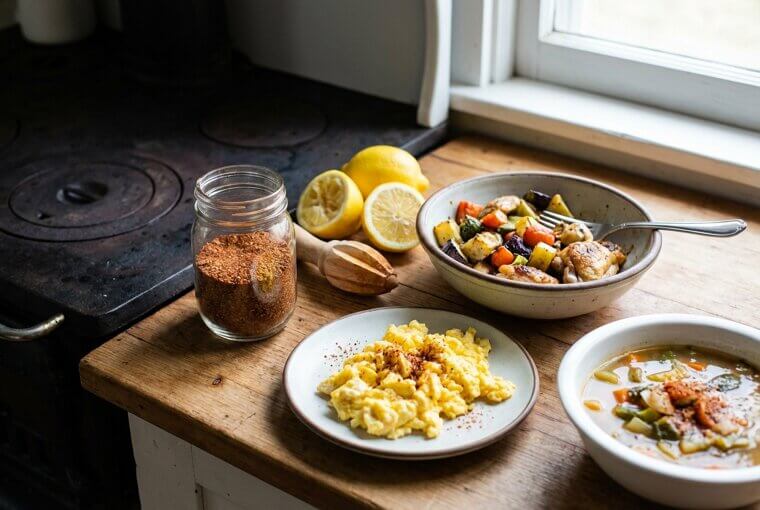
Foods that tasted bland suddenly taste rich and layered. If your doctor told you to cut sodium but never explained how, this is how. Your food won't taste worse — it'll taste more. Now, about that "healthy" smoothie you grabbed from the store this morning.
Store-Bought Smoothies Aren't Health Drinks
Here's what nutritionists actually know: that bottled smoothie from the store contains 50 to 80 grams of sugar per serving. That's more than a large Coke. The trick is the juice base — apple or grape juice concentrates that sound wholesome but are pure liquid sugar. When fruit gets blended without its fiber matrix and mixed into supersized portions, your body processes it identically to soda. After 60, that sugar flood overwhelms your pancreas and liver in ways it simply wouldn't have at 35.
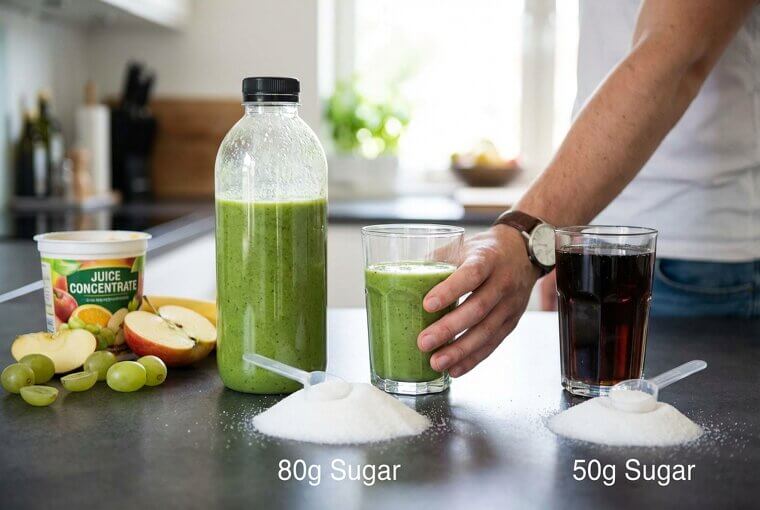
The insider move? Nutritionists who drink smoothies make them at home — a handful of spinach, protein powder, a tablespoon of nut butter, and no more than half a cup of fruit. That's a fundamentally different product than what the store sells. Speaking of foods that seem innocent, there's a side dish on most dinner plates that spikes blood sugar almost as fast as pure glucose.
White Rice Hits Your Blood Sugar Hard
White rice has a glycemic index between 70 and 80 — nearly identical to white bread. For adults over 60, especially the estimated 40% with some degree of insulin resistance, eating white rice several times a week meaningfully increases Type 2 diabetes risk. A major study in the British Medical Journal found that each daily serving raised risk by 11%. That's significant for a food most people consider completely harmless — just a plain, simple side dish.
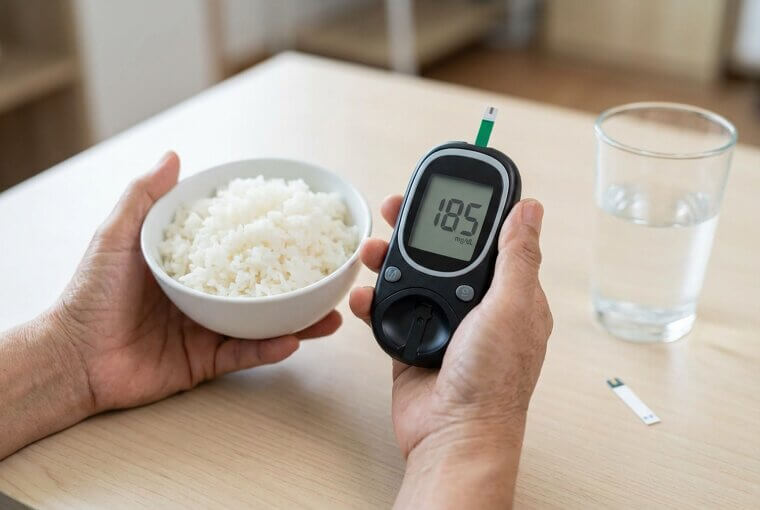
The problem is what's been stripped away. White rice has lost its fiber, magnesium, and B vitamins during processing. Brown, black, or wild rice keeps those nutrients intact and dramatically slows the blood sugar response. Even mixing half cauliflower rice into your usual portion cuts the glycemic impact substantially. But what really changes the stakes after 60 isn't just food — it's what your medications are doing with that food.
The Medications That Make Food Choices Matter More
Here's the highest-stakes revelation in this entire article: if you're over 60 and taking medications, certain foods may be silently canceling out your prescriptions. That salty canned soup counteracts your blood pressure medication. Grapefruit blocks your liver from processing statins properly, potentially causing dangerous buildup. Vitamin K-rich greens like spinach and kale can make blood thinners unpredictable. Sugar-heavy foods undermine diabetes drugs at the exact moment they're trying to work.
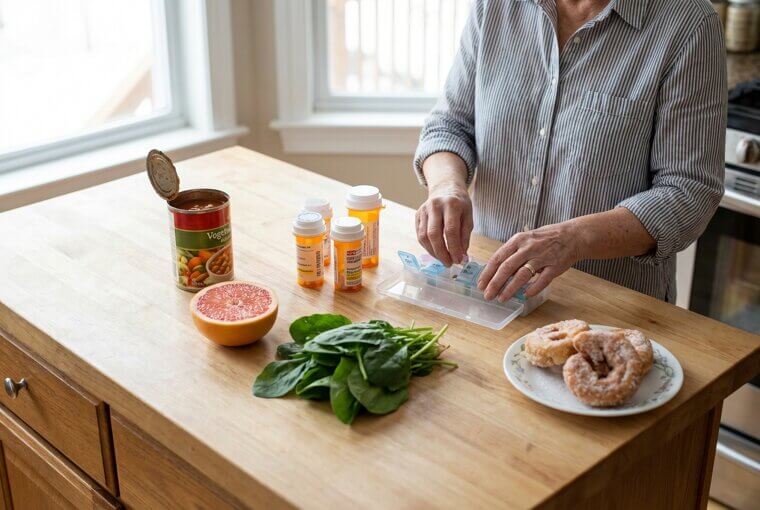
Think about that — you're paying for medications, experiencing their side effects, and your dinner might be erasing their benefits. Nutritionists factor drug interactions into every food recommendation. Most doctors never mention it. But there's one free conversation that fixes this gap immediately.
One Conversation With Your Pharmacist Changes Everything
Here's the single most valuable thing you can do this week: walk into your pharmacy, bring your medication list, and ask your pharmacist one question. "Are there any foods I should avoid or eat more of with these medications?" That's it. Pharmacists are specifically trained in drug-nutrient interactions — it's a core part of their education that most people never tap into. This conversation is completely free. You don't need an appointment. You don't need to call ahead. Just ask at the counter during your next refill pickup.

Most pharmacists will light up when you ask — they rarely get the chance to share this expertise. You'll likely walk away with two or three specific, personalized insights no article can give you. But you might be wondering: if this information is so important, why hasn't anyone told you before?
Why Nutritionists Stay Quiet About All This
Picture your nutritionist sitting across from you. You're 63, managing arthritis, high blood pressure, and the grief of losing a spouse last year. You've just told her that canned soup is the only dinner you have energy to make most nights. Does she launch into a lecture about sodium? She doesn't. Because she sees the whole person — the exhaustion, the loneliness, the ten prescriptions already demanding attention. She softens the message. She picks her battles. She tells herself she'll address it next visit.

That compassion is real, and it matters. But it also means the frank conversation never quite happens. The urgent information gets wrapped in so many layers of gentleness that it loses its edge. You deserve both — the kindness and the truth. And that's exactly what the final sections of this article are designed to give you.
Small Swaps Beat Big Diets Every Time
Here's what this article was never about: perfection. It was never about clearing your pantry in a panic or feeling guilty about last Tuesday's lunch. It was about something quieter and more powerful. Your body after 60 is more sensitive, yes — but here's what nobody emphasizes enough — it's also more responsive to good changes. Every small swap you've learned here works together. The plain yogurt at breakfast. The ten-second label check at the store. The oatmeal upgrade that takes two minutes. The spice blend replacing salt. That one pharmacist conversation.
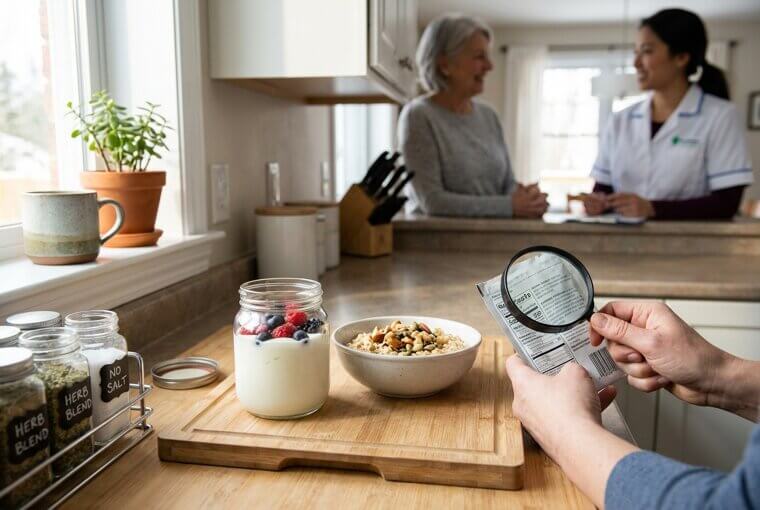
These aren't separate tips. They're a connected, livable system — and you now understand it better than most people half your age. You're not starting over. You're getting sharper. And your very next grocery trip is where it all becomes real.
Your Grocery List Rewrite Starts Here
Screenshot this list. Take it on your next grocery trip. Replace one item at a time — no rush, no overhaul.
**Your Starter Swap List:**
• Plain Greek yogurt
• Rolled oats (not instant)
• Frozen wild salmon fillets
• Frozen berries
• Frozen vegetables
• Walnuts
• Extra virgin olive oil
• Real half-and-half
• Whole grain bread (first ingredient: 100% whole grain)
• Garlic powder, smoked paprika, onion powder, black pepper, cinnamon
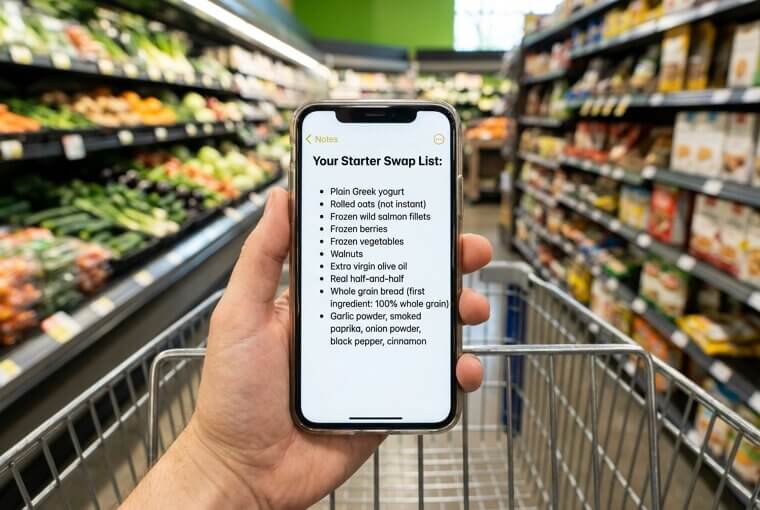
That's it. Nine foods and five spices. Every single item connects back to something you learned in this article. You don't need a nutrition degree — you just need this list and your next trip to the store. Now there's one last thing worth hearing before you go.
You Deserve to Know What They Won't Say
Here's what just happened: you sat through thirty sections of truth that most professionals think but rarely say out loud. You didn't flinch. You didn't look away. That tells me something important about who you are — you're someone who'd rather know than be comfortable. And now you do know. Not everything. But enough. Enough to read a label with confident eyes. Enough to make tomorrow's breakfast a little smarter than today's. Enough to walk into a grocery store like someone who can't be fooled anymore.
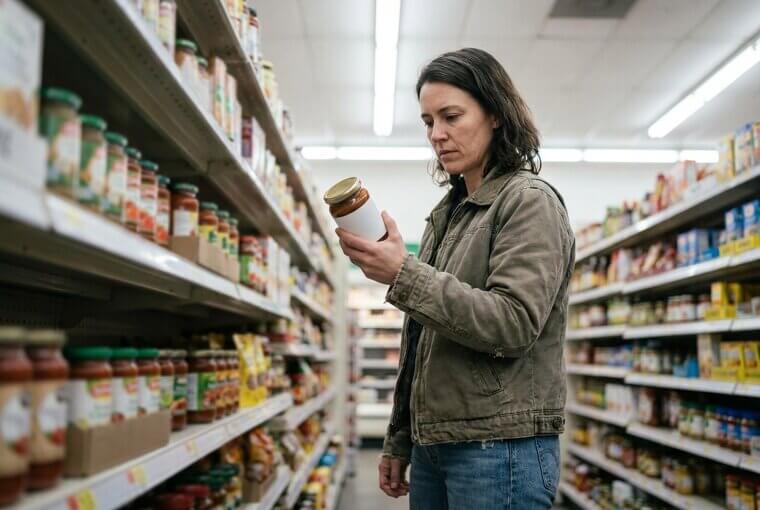
You are not too old for this to matter. You are exactly the right age. Every sharp morning, every afternoon with enough energy to keep up with grandchildren, every year of independence — these are the returns on the small choices you make starting now. You've earned the truth. Now it's yours.Disclaimer: This story is based on real events. However, some names, identifying details, timelines, and circumstances have been adjusted to protect the privacy of the individuals involved. The images in this article were created with AI and are illustrative only. They may include altered or fictionalized visual details for privacy and storytelling purposes